10 Best Lifting Equipment Inspection Checklist Tips?
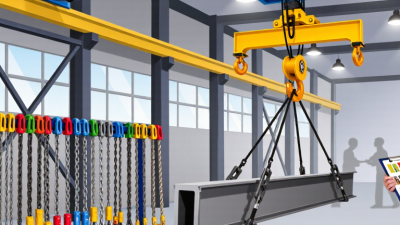
Every lift begins before the equipment leaves the storage area. A quick visual check can reveal a damaged sling, leaking hydraulic line, or missing safety latch. Lifting Equipment Inspection is not merely a paperwork task. It is a practical safety process built around observation, experience, and consistent records. The strongest inspections follow manufacturer guidance, workplace procedures, and equipment history. They also consider the load, lifting environment, weather, and operator conditions.
Use a clear checklist. Keep it nearby.
This guide presents ten useful Lifting Equipment Inspection checklist tips for daily and scheduled reviews. It covers hooks, chains, wire ropes, slings, controls, brakes, warning labels, and structural components. Each point connects a visible detail with a sensible inspection action. Look for stretched links, crushed rope sections, distorted hooks, unusual sounds, and oil beneath machinery. These signs may appear minor, but they can signal deeper wear.
A checklist cannot replace competent judgment. People make mistakes. Even experienced teams can overlook a small crack under poor lighting or rush during a busy shift. That weakness deserves honest attention. Inspectors should pause when findings seem unclear, isolate questionable equipment, and seek qualified guidance. Reliable records should include dates, equipment identification, observed defects, corrective actions, and follow-up checks. These details support accountability and reveal recurring problems over time. The goal is not to create perfect paperwork. It is to build a repeatable habit that protects people, loads, and surrounding work areas.

Define the Scope and Frequency of Lifting Equipment Inspections
A lifting equipment inspection program starts by defining its scope. Include cranes, hoists, slings, shackles, lifting beams, and detachable accessories. Record each item’s identification number, safe working load, location, and operating environment. HSE reported 138 worker fatalities in Great Britain during 2023/24. That figure reinforces why inspection boundaries must be clear, not assumed. A practical scope also covers visible damage, controls, brakes, hooks, labels, guards, and emergency devices.
Frequency should reflect risk, usage, and equipment condition. Under the UK LOLER framework, many lifting accessories require thorough examination at least every six months. Other lifting equipment commonly requires examination every twelve months, unless a competent person specifies a shorter interval. Daily pre-use checks remain essential. They can identify crushed wire rope, stretched links, leaking hydraulics, or a distorted hook before operation. Manufacturer instructions and local requirements may demand more frequent checks. A calendar-only approach is convenient, but it can be weak after overloads, repairs, long storage, or severe weather.
Tips: Build three inspection layers: pre-use checks, scheduled competent-person inspections, and post-incident examinations. Use risk assessments to adjust frequency. Photograph defects beside a measurement scale. Quarantine uncertain equipment immediately. Review missed inspections monthly. The U.S. Bureau of Labor Statistics recorded 5,070 fatal occupational injuries in 2023, showing that workplace controls still deserve close review. A checklist is useful, but it is not perfect; rushed sign-offs and incomplete records remain common blind spots. Track them openly.
Examine Structural Components, Hooks, Chains, Ropes, and Controls
A reliable lifting equipment inspection starts with the structure, not the paperwork. Check beams, welds, end stops, bolts, and mounting points for cracks, distortion, corrosion, or fresh metal dust. Look beneath paint bubbles; rust often hides there. The International Labour Organization estimated 2.93 million work-related deaths and 395 million non-fatal injuries globally in 2019. That scale makes routine inspection a practical control, not an administrative ritual.
Examine hooks for throat opening, twisting, gouges, and damaged safety latches. Compare chain links for stretching, bent sections, severe wear, and corrosion. Wire ropes need close attention around sockets, drums, sheaves, and crossover points. Count broken wires, then follow the manufacturer’s discard criteria and applicable standards. Do not “smooth out” a suspicious hook or rope. Remove it from service and record the finding. Small shortcuts still happen. They deserve honest review.
Test controls at low speed, checking emergency stops, pendant buttons, limit devices, alarms, and unexpected movement. Confirm labels remain readable and that control directions match equipment travel. HSE guidance on lifting equipment emphasizes thorough examination by a competent person at suitable intervals, while daily checks remain essential for visible defects. Document the inspector, date, equipment identity, defects, load rating, and corrective action. A second person can verify the result, especially when visibility is poor. Photographs help, but they cannot replace hands-on inspection.
Test Safety Devices and Record Defects with Corrective Actions
A lifting equipment inspection is not complete when the checklist is signed. Safety devices must be tested under controlled conditions. Check emergency stops, overload protection, brakes, limit switches, alarms, and interlocks. Never accept a warning light without confirming the actual response. The equipment should stop, hold, or restrict movement as designed.
Record every defect with practical detail. Note the equipment ID, inspection time, location, load condition, and failed device. Add a clear photograph when possible. A vague note like “brake issue” is weak evidence. Write “brake slipped 50 millimetres after stop command.” Then isolate the equipment, identify the responsible person, set a repair deadline, and document the retest. The corrective action is not closed until the safety function passes again.
The scale of workplace risk supports this discipline. The International Labour Organization estimated 2.93 million work-related deaths worldwide in its 2023 report. The U.S. Bureau of Labor Statistics recorded 5,283 fatal work injuries in 2023. These figures cover many hazards, not lifting alone, but they show why control failures deserve attention. A checklist can still lie. Inspectors sometimes rush familiar machines and overlook small warning signs. That weakness needs review. Ask whether the test was witnessed, whether defects were escalated, and whether the corrective action removed the hazard rather than merely resetting the device.
Review Inspection Records and Confirm Equipment Readiness for Use
Review Inspection Records and Confirm Equipment Readiness for Use
A lifting equipment checklist is only useful when records match the equipment on the floor. The International Labour Organization estimates 2.93 million work-related deaths globally each year, with many linked to preventable workplace hazards. Lifting failures are not always dramatic. A worn sling, unreadable load chart, or overdue examination can develop quietly.
Review the latest inspection record before authorizing use. Confirm the equipment identification number, safe working load, inspection date, examiner’s name, and recorded defects. Compare these details with the physical machine. Check the hook latch, wire rope, chains, controls, warning labels, and nearby structure. Small details matter. A missing pin matters.
A competent person should verify that every reported defect has a documented correction. “Repaired” is not enough. The record should identify the repair, replacement part, test result, and approval date. Guidance under the UK Lifting Operations and Lifting Equipment Regulations emphasizes thorough examination and safe-use controls. However, paperwork can create false confidence. I have seen clean forms beside equipment carrying obvious damage. That gap deserves attention.
The U.S. Occupational Safety and Health Administration identifies struck-by incidents as a major construction danger, especially around suspended loads and moving equipment. Before use, operators should confirm ground stability, weather conditions, load weight, and clearance. If records are missing, conflicting, or unclear, quarantine the equipment and escalate the decision. The job may be delayed. That is preferable to guessing.