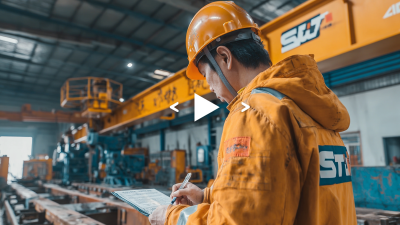
Why Is Lifting Equipment Inspection Important?
Lifting Equipment Inspection is a critical part of safe material handling. Cranes, hoists, slings, shackles, and lifting beams face repeated stress every working day. A small crack, stretched chain, or damaged hook can develop quietly. The danger may appear only when a load is suspended above people or valuable machinery. Regular inspection helps identify these warning signs before they become serious failures.
Experienced inspectors examine equipment condition, identification labels, rated capacity, guarding, controls, and surrounding work areas. They also review maintenance records and previous inspection findings. A frayed wire rope, distorted hook opening, or missing safety latch should never be dismissed as minor damage. Manufacturer instructions and competent inspection procedures provide a reliable basis for decisions. However, an inspection is not a magic solution. Poor storage, rushed lifting practices, and unclear responsibilities can still create hazards. That limitation deserves attention.
Good inspection programs combine practical experience with documented evidence. Inspectors should record defects clearly, including photographs, equipment numbers, and recommended corrective actions. Workers also need a simple reporting process. They often notice unusual sounds, jerky movement, or leaking hydraulics first. Their observations can strengthen formal inspections. Still, records must be accurate and reviewed by qualified personnel. A clean checklist does not always mean safe equipment. Conditions change after inspection. Therefore, understanding why Lifting Equipment Inspection matters supports better planning, safer decisions, and more dependable lifting operations.
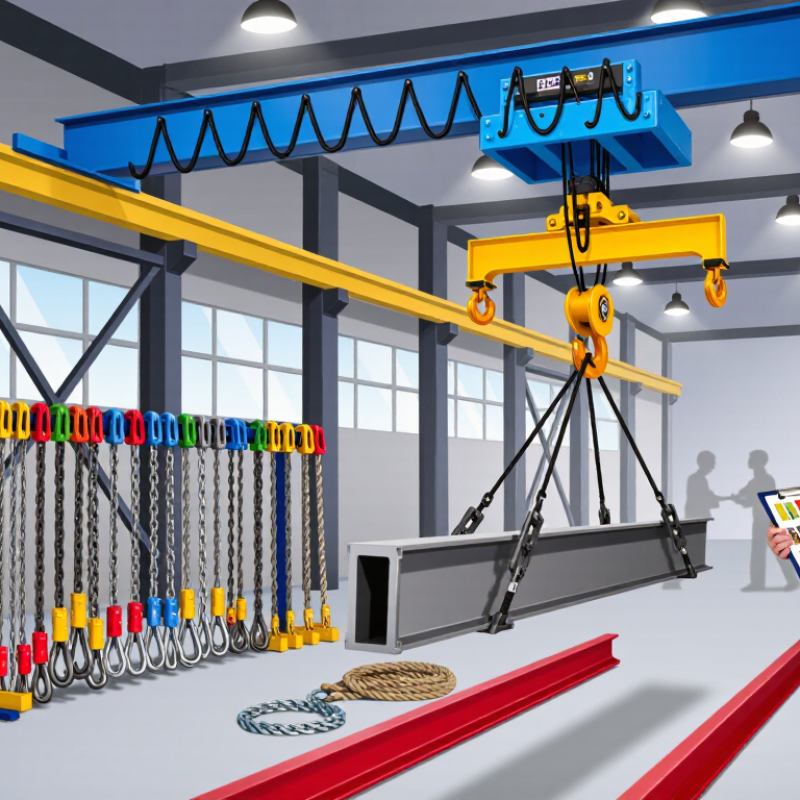
What Lifting Equipment Inspections Cover Under OSHA and ASME Standards
Why Is Lifting Equipment Inspection Important?
Lifting equipment inspections protect workers, loads, and the structure around each lift. Under OSHA requirements, employers must keep equipment safe and remove defective items from service. Inspection duties vary by equipment type, workplace, and operating conditions. A qualified or competent person should follow the applicable rule, manufacturer instructions, and site procedures.
OSHA-focused inspections commonly examine cranes, hoists, slings, hooks, wire ropes, chains, brakes, controls, and limit devices. Inspectors look for stretched links, broken wires, cracked hooks, distorted hardware, oil leaks, and damaged electrical controls. They also verify rated-load markings, safe access, guarding, and warning devices.
Some equipment requires frequent checks before use, while other inspections occur monthly, annually, or after unusual events.
Records should identify the equipment, date, inspector, findings, and corrective action.
ASME B30 standards add detailed guidance for inspection methods, intervals, maintenance, and safe operation. They often distinguish frequent inspections from periodic inspections, considering service severity, environment, and usage.
Salt air changes the risk. Heat does too. A clean checklist is not enough. Inspectors should watch an actual lift when practical, because abnormal noise or uneven movement may reveal problems.
Even experienced teams can normalize small defects. That deserves reflection. A missing record, rushed inspection, or unclear equipment identity can weaken an otherwise strong safety program.
When to Inspect: OSHA Pre-Shift Checks and LOLER’s 6- and 12-Month Rules
Lifting equipment inspection matters because small defects can become sudden failures. A cracked hook, stretched chain, or damaged sling may look harmless during a busy shift. It is not. A pre-shift check gives operators a practical chance to find visible problems before loads leave the ground.
Under OSHA requirements, employers should ensure lifting equipment is inspected before use or at the start of each shift, where applicable. The operator or a competent person should examine hooks, wire ropes, chains, brakes, controls, guards, and warning devices. Check for unusual noise, leaks, deformation, missing labels, and loose fasteners. Test controls without a load when the procedure allows it. If a defect affects safe operation, stop using the equipment, identify it clearly, and report it for qualified assessment. A rushed checklist is not a real inspection.
LOLER in the UK uses planned thorough examination intervals. Lifting equipment is commonly examined at least every 12 months. Lifting accessories, such as slings and shackles, are commonly examined every 6 months. Equipment used to lift people also usually requires six-monthly examination. However, a written examination scheme may set different intervals, based on use, environment, and risk. The exact requirement should be confirmed by a competent person. Keep reports accessible, record defects and repairs, and never treat an old inspection certificate as proof of present condition. Conditions change. That part is easy to forget.
How Inspectors Assess Loads, Hooks, Chains, Ropes, Brakes, and Safety Devices
Why Is Lifting Equipment Inspection Important?
A competent inspector begins by confirming the load weight, lifting points, and equipment rating. The load must remain stable during movement. Uneven weight can twist a sling or overload one hook. Inspectors check hooks for cracks, spreading, damaged latches, and unusual wear. Chains receive close attention too. They look for stretched links, corrosion, sharp bends, and missing identification marks. Ropes require a careful search for broken wires, crushing, birdcaging, heat damage, or flattened sections. Small defects can become serious under tension.
Brakes are tested for smooth engagement, holding ability, and unusual noise. A brake that slips even slightly deserves immediate attention. Inspectors also examine limit switches, emergency stops, guards, alarms, and other safety devices. These features should respond predictably, not only during ideal testing.
Inspection records should identify the equipment, findings, test conditions, and corrective action. No inspection is perfect. Poor lighting, rushed work, or unclear load information can lead to missed evidence. That is why experienced inspectors pause and question doubtful results.
Tips:
Clean hooks, chains, and ropes before inspection. Dirt can hide cracks and distortion. Compare findings with previous records. Repeated wear may reveal a deeper operating problem. Never rely on appearance alone. Test brakes and safety devices under controlled conditions, using approved procedures. A second review can help, especially when damage seems minor. Sometimes the smallest warning deserves the most careful discussion.
How Inspection Records Meet OSHA 1910 and LOLER Reporting Requirements
Why Is Lifting Equipment Inspection Important?
Inspection records are practical evidence that lifting equipment receives proper attention. Under OSHA 1910, records for overhead cranes should identify inspection dates, equipment numbers, findings, and corrective actions. They should also show who performed the inspection and whether the equipment remained safe to use. A neat file can still hide missed defects.
LOLER requires a competent person to complete thorough examination reports for lifting equipment. These reports should include the equipment identity, examination date, defects found, safety decisions, and the next examination date. If a dangerous defect exists, the responsible person must receive written notification promptly. The relevant enforcing authority may also need a report. Requirements can vary by equipment and workplace conditions, so generic templates deserve careful review. Records should be clear enough for an auditor, manager, or technician to understand months later.
Tips: Use unique equipment IDs. Record exact defect locations, such as “left end carriage brake.” Attach photographs when useful. Track repairs to closure, not merely to assignment. Keep inspection and examination records accessible. Ask a competent person to review unclear findings. Small omissions matter. A signature alone proves little without evidence of the actual examination.
Why Is Lifting Equipment Inspection Important?
Maximum interval in months for scheduled inspections or thorough examinations under selected OSHA 1910 and LOLER requirements. A written examination scheme may specify shorter or different intervals where permitted.
OSHA 1910.179 describes periodic inspections for overhead and gantry cranes at intervals ranging from 1 to 12 months. Under LOLER, lifting equipment is generally examined at least every 12 months, while lifting accessories and equipment used to lift people are generally examined at least every 6 months. Inspection records should identify the equipment, inspection date, competent person, findings, corrective actions, and next due date. Dangerous defects identified during a LOLER thorough examination must be reported to the relevant enforcing authority as soon as practicable and to the responsible person.
Sources: OSHA 29 CFR 1910.179; LOLER 1998, Regulations 8–10 and Schedule 2.
How Defects Trigger Quarantine, Repairs, Retesting, and Safe Return to Service
Lifting equipment inspection is important because small defects can become serious failures under load. In field inspections, I have seen frayed wire rope, distorted hooks, cracked welds, and unreadable identification plates. Some defects look minor. They are not. A competent inspector checks condition, function, markings, records, and the equipment’s working environment. This practical review provides evidence for decisions, not just a signed form.
When a defect affects safe operation, the equipment should be clearly quarantined and removed from service. A red tag, physical isolation, and a recorded reason help prevent accidental use. The repair must match the defect, equipment design, and applicable technical requirements. Replacing one damaged component may not resolve hidden deformation or overload damage. That is where rushed maintenance becomes risky. I have learned that unclear responsibility can delay action, even when the defect is obvious.
After repair, retesting confirms whether the equipment performs safely under suitable conditions and within its rated capacity. A qualified person should conduct the test using suitable methods and calibrated instruments. Records should identify the defect, repair, test date, findings, and approval for return to service. If evidence is incomplete, the equipment should remain quarantined. No inspection is perfect. Good systems encourage questions, second checks, and honest reporting when conditions are uncertain. This may feel slower, but it protects people working beneath suspended loads.
Related Posts
-
Elevating Global Standards: The Excellence of Chinese-Made Lifting Equipment Inspection
-
Top Hoist Equipment for Global Buyers in China?
-
Top Strategies for Maximizing Efficiency with the Best Chain Hoists
-
Unleashing the Power of Chinese Manufacturing with the Best Suction Vacuum Solutions
-
Unlocking Efficiency in Logistics with the Best Lifting and Handling Equipment Techniques
-
China's Best Glass Lifter Revolutionizing Quality Standards and Earning Global Respect