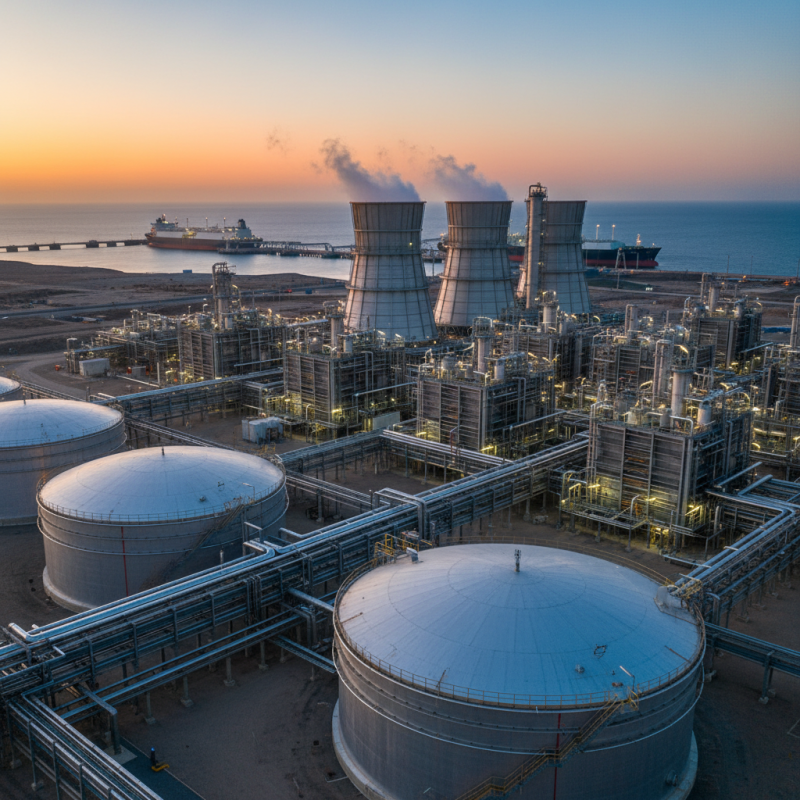
What is a Liquefaction Plant and How Does It Work?
A Liquefaction Plant plays a crucial role in converting natural gas into liquid form. This process is essential for transportation and storage. Liquefaction makes natural gas more compact and easier to handle.
The plant uses specialized equipment to cool gas to extremely low temperatures. This cooling turns the gas into a liquid state. It allows for larger quantities to be transported in tankers. However, the process is complex and requires precise engineering.
Despite advancements, issues still arise. Operational inefficiencies can occur. Plants may face environmental challenges. Understanding how a Liquefaction Plant works is vital for addressing these challenges. It opens up opportunities for improvement and innovation in the industry.
What is a Liquefaction Plant?
A liquefaction plant is a facility designed to convert gas, particularly natural gas, into a liquid form. This process involves cooling the gas to extremely low temperatures. When the gas reaches these temperatures, it condenses and becomes easier to store and transport. The main goal is to maximize storage efficiency and reduce the volume of gas significantly.
At a liquefaction plant, the gas is processed through various stages. First, impurities are removed to avoid contamination. Then, several cooling methods are employed. These methods use refrigeration cycles to lower the temperature of the gas. Temperature control is crucial. Even minor errors might lead to inefficiencies or safety hazards.
However, the operation of a liquefaction plant has its challenges. Equipment failures can halt production. There are risks associated with high pressure and cold temperatures. Safety protocols are essential, yet sometimes overlooked. Environmental concerns also arise from emissions produced during the process. Striking a balance between efficiency and sustainability remains a point for improvement.
Key Components of a Liquefaction Plant
A liquefaction plant is a facility designed to convert natural gas into liquid form. This process allows for easier storage and transportation. A few key components make this operation efficient and effective.
One essential part is the liquefaction unit itself. It cools natural gas to very low temperatures. This can be achieved through various refrigeration cycles. A compressor is also critical. It increases the pressure of the gas, facilitating its passage through the system. Heat exchangers play a role too. They transfer heat away from the gas, aiding in the liquefaction process.
Storage tanks are vital as well. These tanks hold the liquefied gas until it's ready for transportation. Insulation is key here to maintain low temperatures. While these components work together, issues can arise. For instance, leaks in the system can pose significant risks. Safety measures are crucial, yet sometimes they fall short. Continuous monitoring is necessary to ensure efficiency and safety.
The Process of Natural Gas Liquefaction
Liquefaction plants play a crucial role in the process of natural gas liquefaction. This process transforms gas into liquid form, making storage and transportation more efficient. The journey starts with the extraction of natural gas from deep underground. It then undergoes cooling, a method that reduces its temperature to around -162 degrees Celsius. This significant temperature drop causes the gas to condense into a liquid.
Once liquefied, natural gas occupies a fraction of its gaseous volume, facilitating its transport in specialized tanks. Operators carefully monitor the temperature and pressure during this stage. These variables can significantly affect efficiency. It’s essential to maintain optimal conditions to avoid waste and potential hazards.
**Tip:** Regularly inspect equipment to avoid leaks or malfunctions. This can save time and resources in the long run.
The liquefaction process isn't without challenges. Energy consumption is a major concern. Each unit of gas liquefied requires substantial energy input. This raises questions about the overall sustainability of the process. Innovations continuously emerge to address these issues, but room for improvement exists.
**Tip:** Keep abreast of technological advances. They may offer solutions to enhance efficiency. Understanding new trends can provide a competitive edge.
Applications and Benefits of Liquefaction Plants
Liquefaction plants play a crucial role in various industries. They convert raw materials into liquid forms, enabling easier transportation and storage. These plants primarily focus on natural gas and other hydrocarbons. The process involves cooling gases to very low temperatures. This transformation aids in reducing volume significantly.
The applications of liquefaction plants are vast. They are essential in the energy sector, providing liquefied natural gas (LNG) for power generation. This method is more efficient than traditional methods. Moreover, it helps in reducing carbon emissions, making it environmentally friendly. Industries also benefit from the safe storage of gaseous materials as liquids.
Despite these benefits, challenges exist. The initial costs of building liquefaction plants can be high. Additionally, maintenance is critical, as malfunctioning equipment can disrupt operations. There is also the matter of energy consumption during the liquefaction process. Companies must evaluate whether the long-term benefits outweigh these concerns. This reflection is vital for sustainable growth in the industry.
What is a Liquefaction Plant and How Does It Work? - Applications and Benefits of Liquefaction Plants
| Dimension | Description |
| Technology Used | Cryogenic process for gas liquefaction |
| Typical Inputs | Natural gas, biogas, or other gases |
| Output Product | Liquefied natural gas (LNG) |
| Key Applications | Transport, storage, and energy generation |
| Environmental Benefits | Reduces emissions compared to other fossil fuels |
| Challenges | High capital investment and energy requirements |
| Future Trends | Growing interest in renewable gas liquefaction |
Environmental Considerations in Liquefaction Operations
Liquefaction plants play a crucial role in converting natural gas into liquid form. However, they come with environmental implications that should not be overlooked. One significant concern is the energy consumption required for liquefaction. This process involves intense cooling, generating a sizeable carbon footprint. The reliance on fossil fuels for energy raises questions about sustainability.
Water usage is another factor. The cooling systems often draw massive amounts of water from nearby sources. This can lead to habitat disruption for aquatic life. The thermal pollution from discharged water may affect local ecosystems in profound ways. Moreover, the construction and operation of such plants can lead to land degradation and loss of biodiversity.
Waste management is equally vital. Liquefaction processes produce emissions that need proper handling. Oftentimes, facilities fall short in waste management practices. This can result in harmful pollutants entering the atmosphere. Continuous monitoring and improvement in operations are necessary. Industry stakeholders must prioritize environmental stewardship. If not, the risk of long-lasting damage to our planet increases.