What is a Lamination Machine and How Does It Work?
A Lamination Machine is a vital tool in various industries. It provides a waterproof, durable finish to documents and materials. By applying a plastic coating, it enhances the strength and appearance of items. This process is essential for preserving important documents like photos, menus, and business cards.
Understanding how a Lamination Machine works can demystify its significance. The machine utilizes heat and pressure to fuse layers of materials together. Users often overlook the settings required for different materials. This can lead to imperfect results and wasted resources. Proper operation is crucial for achieving the desired quality.
Despite its simplicity, there are challenges with a Lamination Machine. Users must choose the correct film thickness and temperature settings. When these choices are not made carefully, the laminate can bubble or peel. Regular maintenance is also key; neglecting this can affect performance. A well-functioning Lamination Machine is an investment in durability and aesthetics.
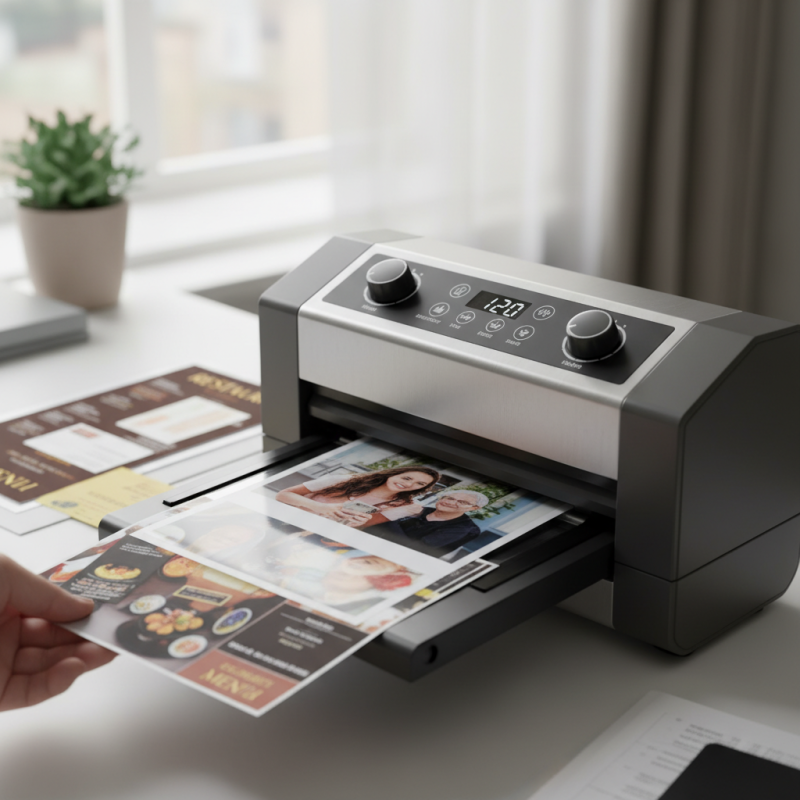
What is a Lamination Machine?
A lamination machine is a device designed to laminate documents, photos, and various materials. It works by applying heat, pressure, or adhesive to encapsulate items in a protective layer. This process enhances durability and reduces wear and tear. According to industry reports, the global laminating machine market is expected to grow significantly in the coming years, driven by the rising demand for document preservation.
Users appreciate the sharp, professional finish that lamination provides. However, some challenges exist. For instance, not all materials are suitable for lamination. Certain inks or papers may react poorly to heat, causing fading or warping. It’s essential to test small samples before processing larger batches.
Tips: Always consult the manufacturer’s guidelines for best practices. Keep the machine clean to avoid residue buildup. Regular maintenance can extend its lifespan. Whether for personal or professional use, understanding a lamination machine ensures optimal results. This knowledge also prevents costly mistakes.
Key Components of a Lamination Machine
A lamination machine serves a critical role in protecting documents and enhancing their appearance. Understanding its key components can illuminate how it meets these needs. The primary elements of a lamination machine include the feed tray, rollers, heating elements, and cooling systems. Each part contributes to the final laminated product's quality and durability.
The feed tray holds the materials before they enter the machine. It must align documents properly for smooth processing. Rollers apply pressure and heat, ensuring that the laminate adheres securely. In some machines, rollers can wear down over time, which can affect performance. Regular maintenance is necessary to keep them in optimal condition. According to industry reports, around 25% of users encounter issues related to roller wear daily.
Heating elements are crucial in achieving the correct temperature for the lamination process. If the heat settings are too low, the laminate may not bond correctly. Conversely, excessive heat can damage documents. Users often find it challenging to determine the ideal settings. Lastly, cooling systems ensure the laminated material sets properly, preventing bubbling or warping. These components work together, but inefficiencies in one can impact the entire operation. Exploring these details reveals the complexities behind a simple lamination task.
How Lamination Machines Operate: Step-by-Step Process
Lamination machines are essential for protecting documents and enhancing their durability. They operate through a straightforward process that involves feeding the items into the machine. With heated rollers, the machine applies pressure and heat to laminate sheets that encase the documents. This step is critical; if the temperature is too low, the lamination might not seal properly. If it’s too high, it could damage the material.
Once the documents are fed in, a sensor detects the sheet's presence and triggers the roll movement. It’s fascinating to watch as the machine pulls the material in, creating a seamless protective layer. However, sometimes the sheets might misalign, leading to uneven edges. It takes practice to ensure a smooth operation. Regular maintenance is also needed; any debris can cause jams. Keeping the rollers clean is essential for optimal performance.
Operators need to pay attention throughout the process. Adjusting speed settings is crucial for different materials. Thick documents require slower speeds for effective lamination. Individuals often underestimate this aspect, resulting in wasted resources. The learning curve can be challenging, but refining these skills improves the overall output quality. Every attempted lamination serves as a lesson, paving the way for better results next time.
Types of Lamination Machines and Their Uses
Lamination machines come in various types, each designed for specific applications. One common type is the roll lamination machine. It uses rolls of laminating film and can handle large volumes efficiently. According to industry reports, roll lamination can boost productivity by up to 50% in busy work environments. This machine is ideal for schools and businesses needing to protect documents and create durable materials.
Another widely used option is the pouch lamination machine. It is perfect for smaller jobs. This machine utilizes pre-made pouches, allowing for quick and easy lamination. Studies have shown that pouch lamination is preferred for small offices due to its cost-effectiveness and ease of use. However, it can be less efficient for large batches, creating limitations for some users.
Lastly, we have the heated roll lamination machine. It is known for its ability to laminate thick materials. This machine offers a level of lamination quality that lesser machines may not match. Yet, the added complexity can make its operation challenging for beginners. Careful calibration is necessary to avoid issues like film wrinkling or misalignment, highlighting the need for user training.
Benefits of Using a Lamination Machine for Protection and Durability
Lamination machines offer significant benefits for protecting and enhancing the durability of various materials. According to industry research, laminated surfaces can resist moisture and abrasion up to 50% better than their non-laminated counterparts. This adds considerable value, especially for businesses that rely on printed materials.
Using lamination machines enables organizations to preserve critical documents, photographs, and menus effectively. The process involves applying a thin plastic film over the material. This film creates a barrier against spills, tearing, and fading caused by UV light. Studies show that documents can last up to five times longer when laminated compared to unlaminated options. Yet, it's important to choose the right thickness of laminate to avoid over-encapsulation, which may lead to bubbling or peeling.
However, not all lamination methods yield perfect results. Some users report difficulties in achieving smooth finishes, leading to unintended air pockets. Additionally, there’s a learning curve when operating more advanced machines. The cost of high-quality lamination equipment can also be a barrier for small businesses. These factors highlight the need for training and careful planning in lamination projects.