
How to Find the Best Lifting Supply Suppliers in China?
Finding the best Lifting Supply suppliers in China requires more than comparing prices. It requires evidence, technical judgment, and careful factory verification. Recent reports from Grand View Research and MarketsandMarkets show continued global growth in lifting equipment and crane demand. This growth is increasing supplier competition, but it also makes quality differences harder to see. A polished website proves very little. A stamped certificate can still be incomplete.
Look for suppliers with documented experience, traceable materials, and repeatable inspection procedures. Ask for ISO 9001 records, product test reports, calibration certificates, and clear compliance with standards such as EN 818, ASME B30.9, or equivalent national requirements. Independent inspection matters. So does a real factory visit, where you can examine heat treatment records, proof-testing areas, packaging, and rejected components. Small details matter.
Ross Moloney, a recognized lifting-industry leader and former LEEA chief executive, has emphasized: “Competence is the foundation of safe lifting.” His point applies to sourcing, too. A supplier must understand working load limits, sling angles, fatigue, corrosion, and user training. The cheapest quote may look efficient. It may also conceal weak traceability or inconsistent steel quality. That risk deserves attention.
No supplier shortlist is perfect. Requirements can be misunderstood. Sample checks can miss production changes. Use staged orders, independent inspections, written specifications, and measurable acceptance criteria. A reliable Lifting Supply partner should welcome difficult questions, provide prompt technical answers, and accept accountability after delivery. That is where trust becomes measurable.
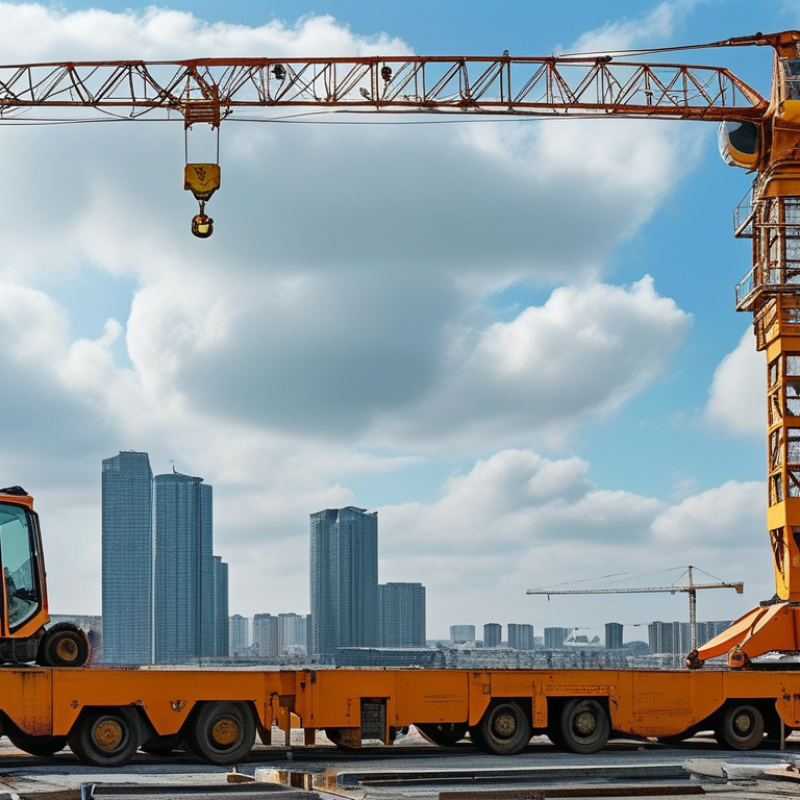
Define Your Lifting Equipment Requirements and Purchasing Criteria
Before contacting lifting supply suppliers in China, define the job precisely. Record the working load limit, lifting height, span, speed, duty cycle, and operating temperature. Note whether the equipment will handle corrosive chemicals, outdoor moisture, dust, or confined spaces. A 5-ton requirement is incomplete without these details. The load shape matters too. A long steel beam creates different stability risks than a compact machine part.
Set purchasing criteria around safety and evidence, not price alone. Ask for material certificates, test records, inspection procedures, and serial-number traceability. Require clear ratings for working load limit, breaking strength, and safety factor. For wire-rope equipment, check replacement criteria against ISO 4309:2017. The ILO’s 2023 report, A Call for Safer and Healthier Working Environments, estimates 2.93 million work-related deaths and 395 million non-fatal injuries each year. These figures make verification a procurement requirement, not paperwork.
Compare suppliers using a weighted scorecard. Give weight to engineering support, production quality, inspection capacity, spare-part availability, lead time, and export documentation. Request a sample drawing before placing a large order. Ask how failed products are quarantined and corrected. A factory tour or independent inspection can reveal practical weaknesses. My own draft checklists often miss maintenance access. That mistake is expensive. Keep one unresolved question visible until the supplier answers it with measurable evidence.
How to Find the Best Lifting Supply Suppliers in China? - Define Your Lifting Equipment Requirements and Purchasing Criteria
| Equipment Category | Requirement to Define | Typical Specification Range | Key Technical Criteria | Required Documents and Verification | Purchasing Priority |
|---|---|---|---|---|---|
| Wire Rope Slings | Working load, sling configuration, leg count, length, end fittings, and lifting angle. | Common rope diameters: 6–32 mm; standard sling lengths: 1–10 m; working load depends on rope construction, termination, and angle. | Rope construction, minimum breaking force, ferrule or socket termination, eye protection, bending radius, and resistance to crushing or abrasion. | Material certificate, breaking-force test report, sling identification tag, inspection record, and proof of conformity to the applicable lifting standard. | High |
| Synthetic Webbing Slings | Required working load limit, sling type, length, width, lifting method, and exposure to chemicals or heat. | Typical widths: 25–300 mm; common lengths: 1–12 m; working load limits commonly range from 1–20 tonnes depending on construction and configuration. | Polyester webbing, stitching quality, edge protection, color identification, elongation, abrasion resistance, and temperature limitations. | Manufacturer test report, rated capacity label, batch traceability, standard compliance declaration, and sample dimensional inspection. | High |
| Grade 80 or Grade 100 Chain Slings | Number of legs, chain diameter, working load, lifting angle, hook type, and required shortening devices. | Common chain diameters: 6–32 mm; frequently supplied as single-, two-, three-, or four-leg assemblies. | Chain grade, proof-force performance, hook latch design, weld quality, leg length tolerance, master-link dimensions, and load-angle limits. | Chain test certificate, proof-load certificate, heat-treatment record, component markings, and inspection documentation. | High |
| Shackles | Working load limit, bow or dee shape, pin type, body size, and compatibility with sling eyes or lifting points. | Common nominal sizes: 6–76 mm; working load limits vary by body geometry, material grade, and pin design. | Forged body, load-bearing pin, side-loading restrictions, safety factor, dimensional accuracy, corrosion protection, and permanent markings. | Forging or material certificate, proof-load test report, dimensional inspection, marking photographs, and applicable standard declaration. | High |
| Manual Chain Hoists | Rated capacity, lifting height, operating frequency, mounting arrangement, and available headroom. | Typical capacities: 0.5–20 tonnes; common standard lift heights: 3–6 m; custom lift lengths may be available. | Load-chain grade, brake holding performance, gear strength, hook safety latch, hand-chain operation, no-load function, and overload protection. | Rated-load test, brake test, no-load operational test, load-chain certificate, user manual, and inspection checklist. | High |
| Electric Chain Hoists | Capacity, lift height, lifting speed, duty classification, power supply, control method, and trolley requirement. | Typical capacities: 0.5–10 tonnes; common lifting speeds: 2–8 m/min; common three-phase supplies include 380–415 V at 50 Hz. | Motor duty rating, brake performance, limit switches, emergency stop, pendant or radio control, thermal protection, trolley wheel compatibility, and noise level. | Rated-load test, electrical safety test, insulation test, motor data sheet, wiring diagram, operating manual, and spare-parts list. | High |
| Electric Wire Rope Hoists | Rated capacity, lift height, lifting and travel speeds, duty cycle, headroom, reeving arrangement, and beam width. | Typical capacities: 1–50 tonnes; standard lift heights: 6–30 m; speed and duty class must match the operating cycle. | Wire-rope factor of safety, drum capacity, rope guide, overload limiter, upper and lower limits, brake system, end carriage alignment, and duty classification. | Load test certificate, electrical test report, rope certificate, brake test, design calculations, control-panel documentation, and maintenance manual. | High |
| Lifting Clamps | Plate thickness, lifting direction, surface condition, working load, and whether the clamp is for vertical or horizontal lifting. | Typical plate thickness ranges: 3–100 mm; working capacities commonly range from 0.5–10 tonnes per clamp. | Jaw opening, gripping force, locking mechanism, minimum hardness of the load surface, anti-slip performance, and capacity reduction for side loading. | Proof-load test, jaw inspection, hardness guidance, operating instructions, capacity marking, and conformity documentation. | High |
| Lifting Magnets | Load material, minimum and maximum thickness, surface condition, lifting capacity, and required safety factor. | Typical capacities: 100–6,000 kg; capacity is affected by steel grade, plate thickness, air gap, surface cleanliness, and load geometry. | Magnetic holding force, rated capacity by plate thickness, mechanical locking device, release control, residual magnetism, and safety factor. | Holding-force test, rated-capacity chart, release-function test, user manual, surface-condition limitations, and inspection record. | Medium |
| Spreader Beams | Maximum load, beam span, lifting-point arrangement, transport restrictions, and required design factor. | Typical capacities: 2–100 tonnes; common spans: 1–12 m; final dimensions must be calculated for the actual load case. | Beam deflection, structural stress, lifting-lug design, pin or shackle compatibility, weld quality, corrosion allowance, and marked center of gravity. | Design calculations, welding procedure records, weld inspection report, load test certificate, dimensional drawing, and nameplate details. | High |
| Hydraulic Toe Jacks | Rated capacity, toe height, minimum height, stroke, lifting point access, and required base stability. | Typical capacities: 2–25 tonnes; toe heights commonly start at approximately 20–50 mm; stroke often ranges from 100–160 mm. | Hydraulic overload protection, leak resistance, lowering control, ram alignment, base dimensions, toe strength, and stability under eccentric loading. | Rated-load test, hydraulic pressure test, leakage test, dimensional inspection, operating manual, and replacement-seal information. | Medium |
| Load Binders and Tie-Down Equipment | Required lashing capacity, chain size, handle type, application, and transport regulations for the destination market. | Common chain sizes: 6–16 mm; working load depends on chain grade, binder design, and complete tie-down assembly. | Handle strength, locking mechanism, chain compatibility, working load limit, deformation resistance, and protection against accidental release. | Breaking-force test, working-load marking, chain compatibility chart, material certificate, and product inspection report. | Medium |
| Portable Gantries and A-Frames | Rated capacity, clear span, lifting height, adjustable range, caster requirements, and floor loading. | Typical capacities: 0.5–10 tonnes; adjustable spans commonly range from 2–6 m; height must allow for hook and sling clearance. | Structural stability, beam deflection, caster locking, bracing, adjustable-pin security, maximum travel condition, and load distribution. | Structural calculations, stability assessment, load test, weld inspection, assembly drawing, user manual, and safe-use limitations. | High |
| Lifting Points and Eye Bolts | Load direction, thread size, working load, installation torque, base material, and number of loading cycles. | Common thread sizes: M8–M64; rated capacity depends strongly on thread engagement, orientation, and loading angle. | Forged material, swivel or fixed design, full-load orientation, thread accuracy, tightening requirements, and resistance to fatigue loading. | Material certificate, proof-load test, dimensional report, installation instructions, permanent marking, and fatigue limitations. | High |
Related Posts
-
How to Find Top Lifting Supply Manufacturers in China?
-

Ultimate Lifting Blocks Maintenance Checklist for Optimal Efficiency and Safety
-

Overcoming Lifting Solutions Challenges: Insights and Data for Industry Professionals
-
How to Choose the Right Lifting Blocks for Your Industry Needs
-

Top China Best Lifting Supply for Global Buyers 2026?
-
Top Hoist Equipment for Global Buyers in China?


